The allure of chance and risk
The attraction that casino games hold over players often lies in the inherent thrill of chance and risk. This psychological aspect is deeply rooted in human nature, where the unpredictability of outcomes can trigger excitement and anticipation. Players may be drawn to games like slots and roulette, not just for potential monetary gain but for the adrenaline rush that comes from uncertain outcomes, similar to the experience of visiting an online casino canada ontario. This thrill-seeking behavior can be understood as a form of escapism, allowing individuals to momentarily step away from their everyday lives.
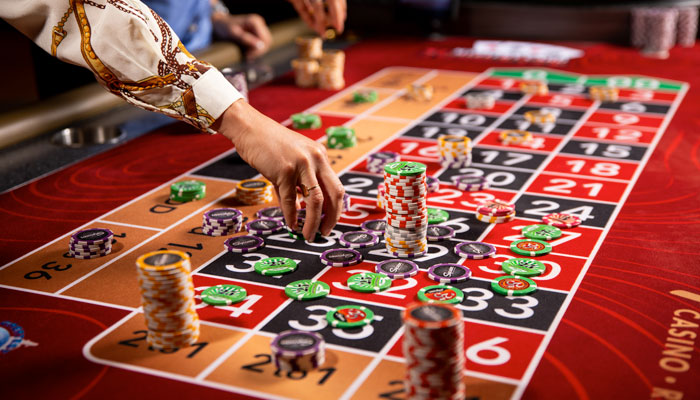
Moreover, the concept of risk-taking in gaming can be linked to the psychological reward system. When players engage in riskier bets, the possibility of a significant reward can activate dopamine release in the brain, contributing to a feeling of pleasure. This physiological response reinforces players’ behaviors, encouraging them to take more risks in hopes of experiencing heightened excitement.
Influence of social dynamics
Social dynamics play a significant role in shaping players’ choices in casino games. The presence of others can influence decision-making processes, as players often adapt their strategies based on what their peers are doing. This phenomenon, known as social facilitation, can lead players to make bolder choices when surrounded by a group. They may feel encouraged to increase their bets or try different games, motivated by a desire to fit in or impress others.
In a casino setting, camaraderie and competition can coalesce, affecting the overall gaming experience. Whether it’s the banter at a poker table or the collective cheers of a group celebrating a win, these social interactions enhance the engagement level and can impact players’ decisions significantly. Players are not just competing against the house; they are also competing with one another, which can heighten the stakes and make the experience more thrilling.
The role of cognitive biases
Cognitive biases are another important factor influencing players’ choices in casino games. Common biases, such as the gambler’s fallacy and confirmation bias, can cloud judgment and lead to irrational decisions. For instance, the gambler’s fallacy—the belief that past outcomes affect future results—may cause players to continue betting on a losing streak, convinced that a win is ‘due.’ This misunderstanding of probability illustrates how cognitive biases can mislead players, often resulting in prolonged engagement with games and increased losses.
Confirmation bias further complicates decision-making by leading players to focus only on outcomes that support their beliefs. If a player has had success with a specific game, they may overlook negative results and continue playing based on their previous wins. This reinforces certain behaviors, cementing their attachment to particular games and strategies, regardless of their actual effectiveness.
Emotional triggers and decision-making
Emotions significantly impact players’ choices within casino environments. Feelings of excitement, joy, or even frustration can influence betting behaviors and game selection. For example, a player feeling fortunate after a series of wins may be more inclined to increase their bets, riding the wave of positive emotions. Conversely, negative emotions, such as stress or disappointment from losses, may lead players to chase their losses or seek solace in gambling, creating a vicious cycle.
The environment of a casino is intentionally designed to amplify emotional experiences, from the bright lights to the sounds of applause and celebration. This sensory overload can heighten emotional responses, making it easier for players to get swept up in the excitement. Understanding how emotions interplay with decision-making can help players recognize their patterns and potentially mitigate impulsive choices influenced by transient feelings.

Conclusion and website insights
Exploring the psychology behind players’ choices in casino games reveals a complex web of influences—ranging from thrill-seeking behavior to cognitive biases and emotional triggers. By understanding these factors, players can become more aware of their decision-making processes within gambling contexts. This knowledge can empower them to make more informed choices and ultimately enjoy a more balanced gaming experience.
The website aims to provide valuable insights and resources related to the psychology of gambling and casino games. Visitors can explore engaging content that reflects the intricate relationship between psychology and gaming choices, contributing to a deeper understanding of their behaviors in this fascinating arena.

 English
  Español